
Introduction
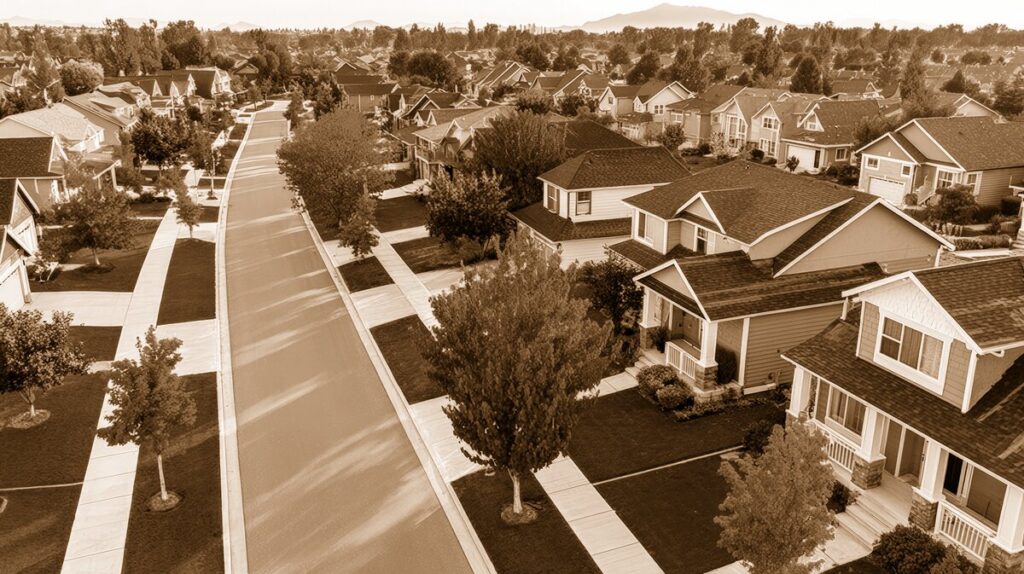
Nestled in the heart of Wallkill, NY, the Scotchtown neighborhood stands as a testament to community, tradition, and transformation. Its tree-lined streets and welcoming atmosphere hint at centuries of regional change—yet retain a distinctive charm that makes Scotchtown a truly special place to call home. As a longtime resident, I often find myself reflecting on how Scotchtown’s past has shaped its present, and why its heritage continues to matter to so many.
Origins of Scotchtown: A Legacy of Settlers
Scotchtown’s roots go back to the early 18th century, long before the area was laced with the suburban developments we see today. Its name, as locals often share with pride, harks back to the Scottish settlers who were among the first Europeans to make their homes here. Seeking fertile farmland and new opportunities, these families purchased parcels of land along what is now Scotchtown Avenue and the nearby rolling hills around Wisner Avenue.
The original “Scotchtown” referred to a broader area than today’s well-defined neighborhood boundaries. Early records hint that these resourceful newcomers brought not only agricultural expertise but also the enduring Presbyterian values that gave rise to the formation of local churches and schools.
How Scotchtown Got Its Name
Folklore and local history suggest that “Scotchtown” was a simple—but heartfelt—acknowledgment of the area’s founding families: the McNeills, Camerons, and MacKenzies, among others. As the story goes, the cluster of Scottish homesteads became so closely knit that other residents in Wallkill would “head out to Scotchtown” to visit the Scottish settlement. Over time, the name stuck, appearing in deeds and church records from the 1740s onward.
Historical Milestones: From Farmland to Suburbia
Through the late 1700s and much of the 19th century, Scotchtown remained rural, characterized by dairy farms, apple orchards, and winding dirt lanes. Key thoroughfares like Blumel Road and Goshen Turnpike trace their lineage to old carriage routes. A notable milestone came with the construction of the Erie Railroad nearby in the mid-1800s, which brought modest growth and easier access to neighboring Middletown and beyond.
The 20th century ushered in dramatic change. After World War II, as American suburbs blossomed, Scotchtown saw the arrival of new housing developments—Scotchtown Estates and Sleepy Hollow, for example, transformed fields into neighborhoods filled with Cape Cods and split-levels. This era marked an influx of families who stayed for generations, weaving new threads into the area’s ever-evolving social tapestry.
Notable Landmarks and Community Institutions
Today, traces of Scotchtown’s history can still be found if you know where to look. Some landmarks and institutions stand out as cornerstones of the community:
- Scotchtown Avenue Elementary School: Sitting proudly on Scotchtown Road, the school is a hub for generations of local children. Its deep roots in the neighborhood mirror Scotchtown’s commitment to education and family.
- Presbyterian Church on Goshen Turnpike: Steeped in history, this church stands as a living link to the area’s Scottish Presbyterian founders, with a congregation dating back over 150 years.
- Maple Avenue and Eastview Drive: Stroll these streets and you’ll discover mid-century homes whose original owners were among the first wave of suburban settlers in the 1950s and 60s.
- The Wallkill River: Running just west of Scotchtown, the river remains a beloved natural feature, once used for irrigation by early farmers and now a spot for quiet walks and bird watching.
- O&H Diner: While not as old as the farms, this local eatery on Route 211 has become a cherished meeting place for longtime residents and newcomers alike.
Parks and Outdoor Spaces
Scotchtown is fortunate to be surrounded by green spaces that carry forward the land’s agricultural heritage. Some highlights include:
- Maple Avenue Park: Popular for little league games and summer picnics, this park embodies Scotchtown’s spirit of family fun.
- Wisner Avenue’s Wooded Trails: These lesser-known paths harken back to the days when the land was crisscrossed by footpaths between farms.
- Nearby Shawangunk Ridge: While just outside of Scotchtown proper, this iconic formation provides a backdrop that calls up the area’s deep geological and cultural roots.
Scotchtown Today: Diversity and Continuity
Over the decades, Scotchtown has welcomed waves of new residents, each bringing fresh energy while respecting the traditions that came before. Houses of worship, civic clubs, and annual events—like the Scotchtown Community Day on Maple Avenue—foster a sense of belonging that’s rare in today’s fast-paced world.
The neighborhood has grown more diverse, reflecting America’s broader social evolution, but retains the neighborly ethos that would be familiar to the original Scottish settlers. Walking down Ann Street or meeting friends at Kings Estates, you’ll hear stories from many cultures—each adding new meaning to Scotchtown’s legacy.
Conclusion: Why Scotchtown Endures
If there’s one thing that defines Scotchtown, it’s the way history and community interweave. Celebrate a milestone at Scotchtown Avenue Elementary or simply take in a sunset on a quiet side street, and you’ll feel the echoes of the past shaping every present moment.
That’s why, when neighbors gather at the O&H Diner or lend a hand for a park clean-up, we’re doing more than just living in a neighborhood—we’re honoring generations who built, tended, and loved this little corner of Wallkill. And in Scotchtown, that sense of shared heritage will always be right at home.